Thinking and decisions
5 Steps to Overcome Challenges
Published 2026-11-05. Adapted from the episode published 2024-07-19. The talk was published on 19 July 2024. Dates mentioned in the talk are historical.

A team challenge and the work behind it
We'd just come back from Bali when I gave this talk, and I wanted to share two things with the team. In January, we announced a challenge I called PK.
The idea was to challenge yourself. As realtors, we tend to tell ourselves that we'll start adding value to clients after Chinese New Year.
I wanted us to test that assumption and start before Chinese New Year. The target was to do more than 20% of the previous year's production in 37 days.
Ten teammates qualified, and nine flew to Bali.
We kept the destination and itinerary a surprise. When we told the team we were flying to Bali, they were shocked.
Participants put down a refundable deposit and had it returned after completing the trip. Nobody in the chat group asked for the itinerary, even the day before the flight.
Everyone just showed up. We booked a villa, kept it within budget and took turns handling logistics and filming instead of bringing a media team.
We held four classes over about 12 hours and began the first session the night we arrived. We went to bed around 11 or midnight after dinner.
On day two, everyone was at the door at 6:30 a.m. for CrossFit.
Day three was another 6:30 start. And guess what time they had to wake up on day four?
About 1 a.m. They were at the door at 1:30 and the bus was already there to take them up to the mountains.
We wanted it to be a fitness trip as well as an incentive trip. The team gave presentations and made their own dream boards.
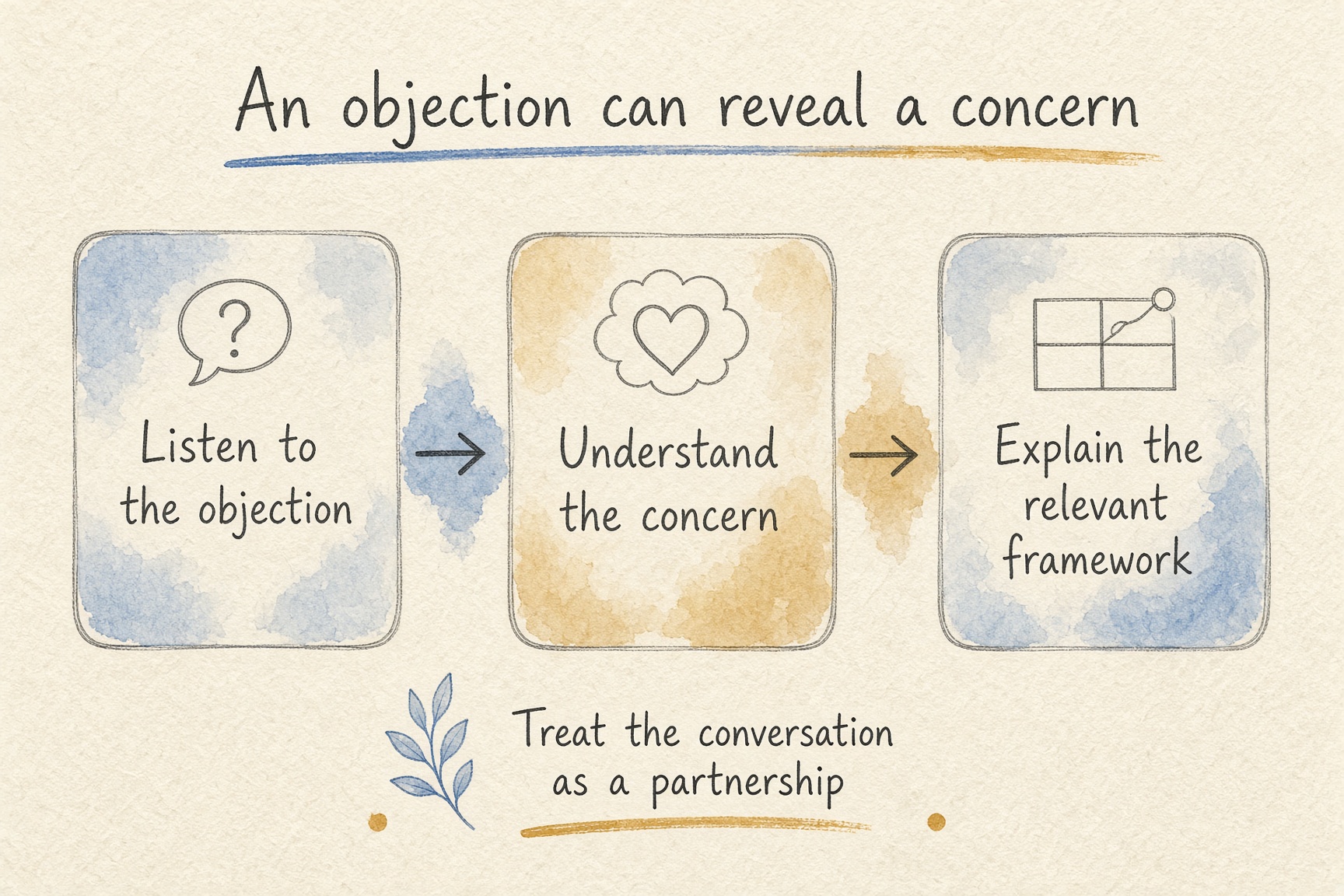
In the talk I also outlined a separate six-hour class on turning 19 objections into a partnership with sellers and buyers. The focus was on pitching and getting that partnership aligned.
We sometimes hear a no from a seller or buyer and assume they don't want to work with us. After three noes, sometimes it becomes a yes.
Why aren't they ready to go exclusive with you or have you advise them on a purchase?
In Bali, I told the team that when somebody comes to your office or opens their home to meet you, you've already won by 50%, as I put it. They've chosen to spend time with you.
A two-hour meeting takes commitment. With so many realtors around, why did they let you into their home?
Think of them as a potential partner who wants to understand why they should work with you. An objection is a chance to understand their concern.
Sometimes after three noes, the fourth answer is a yes. My point about the 19 objections was that if you practise one framework for each, you know what to say and it becomes second nature.
With those frameworks, I told the team, you can answer almost all the objections that sellers and buyers give you.
From client objections to a declared goal
In our playbook class, we talked about Kairos. I contrasted ordinary clock time with Kairos, the kind of focused time when one hour can become three or four, as I put it.
I used the same idea as a way to motivate the team: with focus, sometimes a quarter can equal your previous year's production or amount to at least half of it. For our Kairos Quarter Challenge, I set a target of 40% of the previous year's production in 59 days, from 7 May to 5 July.
In the talk, I pointed to the period before October as a prime season when clients might need us, before most spent time overseas with family. At that time, some developer sales were slowing, and we were waiting to see interest rates to come down.
I thought that would open up an opportunity. I told the team to keep their attention on their clients and the value they could add even as market trends changed.
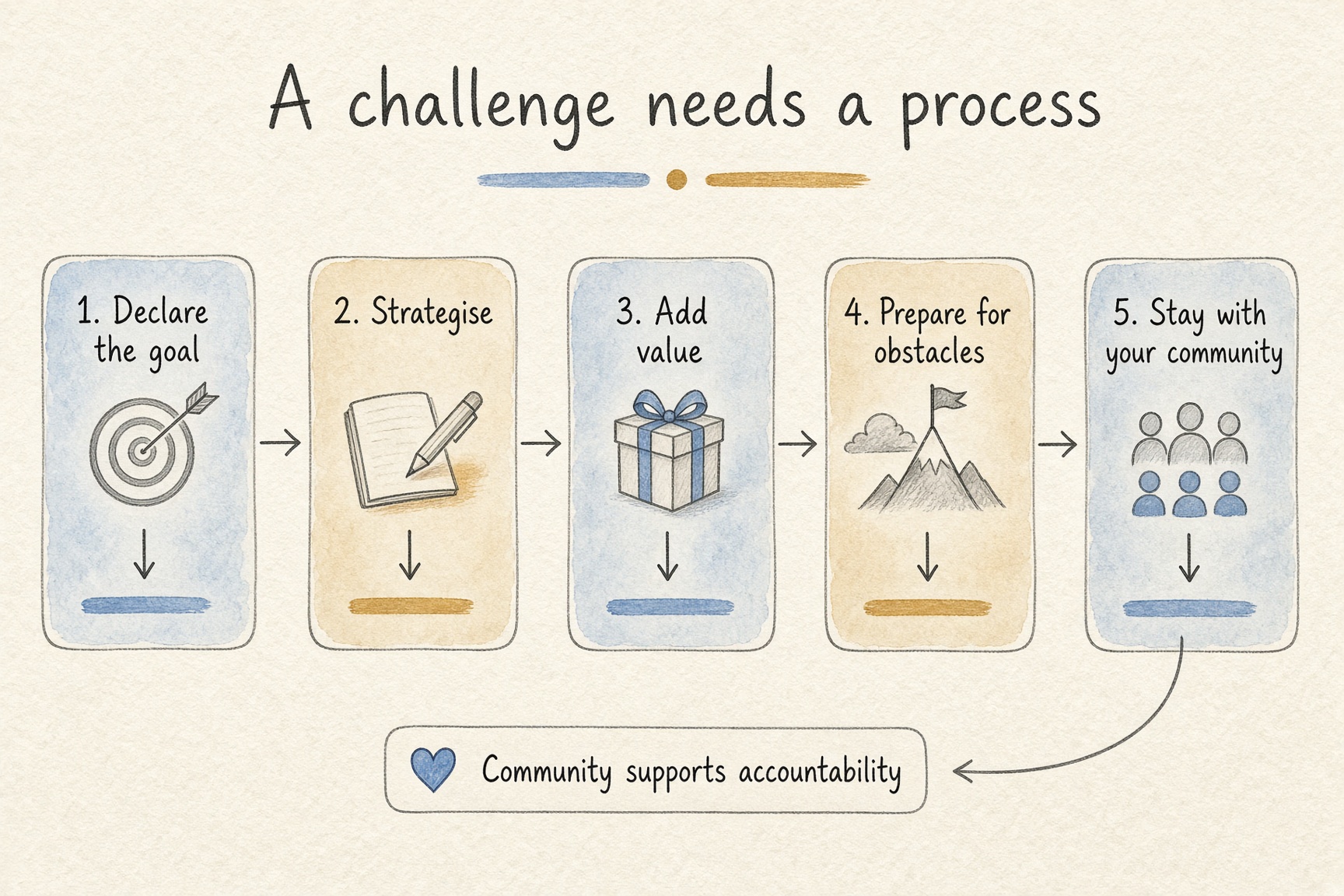
Step 1. Declare the goal.
Participation in the 37-day challenge was voluntary. Once you chose to take part, the first thing you had to do was declare it.
The declaration adds positive pressure.
You couldn't wait until you'd hit the 20% threshold and then ask to qualify. The declaration came first.
If that step feels uncomfortable, ask yourself what's stopping you. Are you worried about how people will look at you?
For the 59-day challenge, I asked participants to declare their goal in the chat group. Wayne was going to send a message asking for their names and previous year's production so they could calculate the 40% target.
I had just completed a 21 km run at 2XU. I had a trainer, and my pacer made sure I went to training.
Five of us signed up. My family asked why I was doing it.
My brother thought I was crazy. He asked how I would manage 21 km when my plan was to run about five kilometres every three days.
Sometimes I would get home at 11 p.m. and go out for a five- or six-kilometre run.
I was 43 and wanted to challenge myself.
Daily actions, preparation and community
I saw the group training and made a public declaration: I was going to do the run. I had about six weeks to prepare and started getting some runs in about five weeks before the event.
I told myself I'd complete the whole race even if I struggled. Every time I saw the group post about their training, I felt the pressure.
Being in that small group made me more accountable, and I was thankful to finish that 21 km run without stopping. I just ran and breathed through my nose.
The following weekend I signed up for another event. It was scheduled for the end of June, about eight weeks after the talk.
I made another public commitment to finish it.
Step 2. Make a daily plan.
For the 59-day challenge, we had about seven days to plan. The reward was still unannounced when I spoke.
I asked the team to think about one thing they could do that day to add value to a client and one buyer or seller they could help that week. If you're working with a buyer, you can look at suitable listings across your own inventory, your teammates' inventory and other agents' listings.
In Singapore, I put it this way to the team: as long as you have the buyer, all the listings are yours.
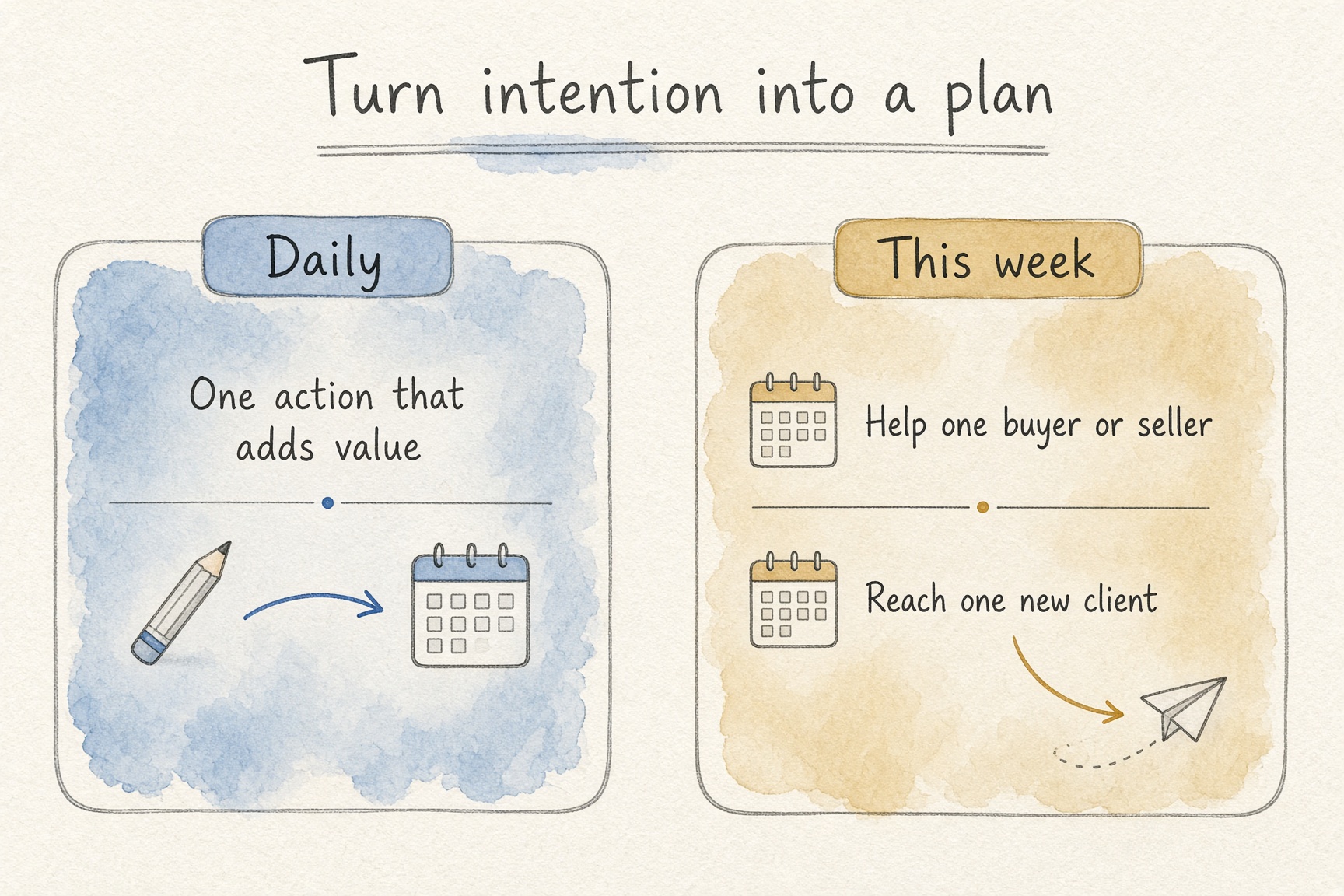
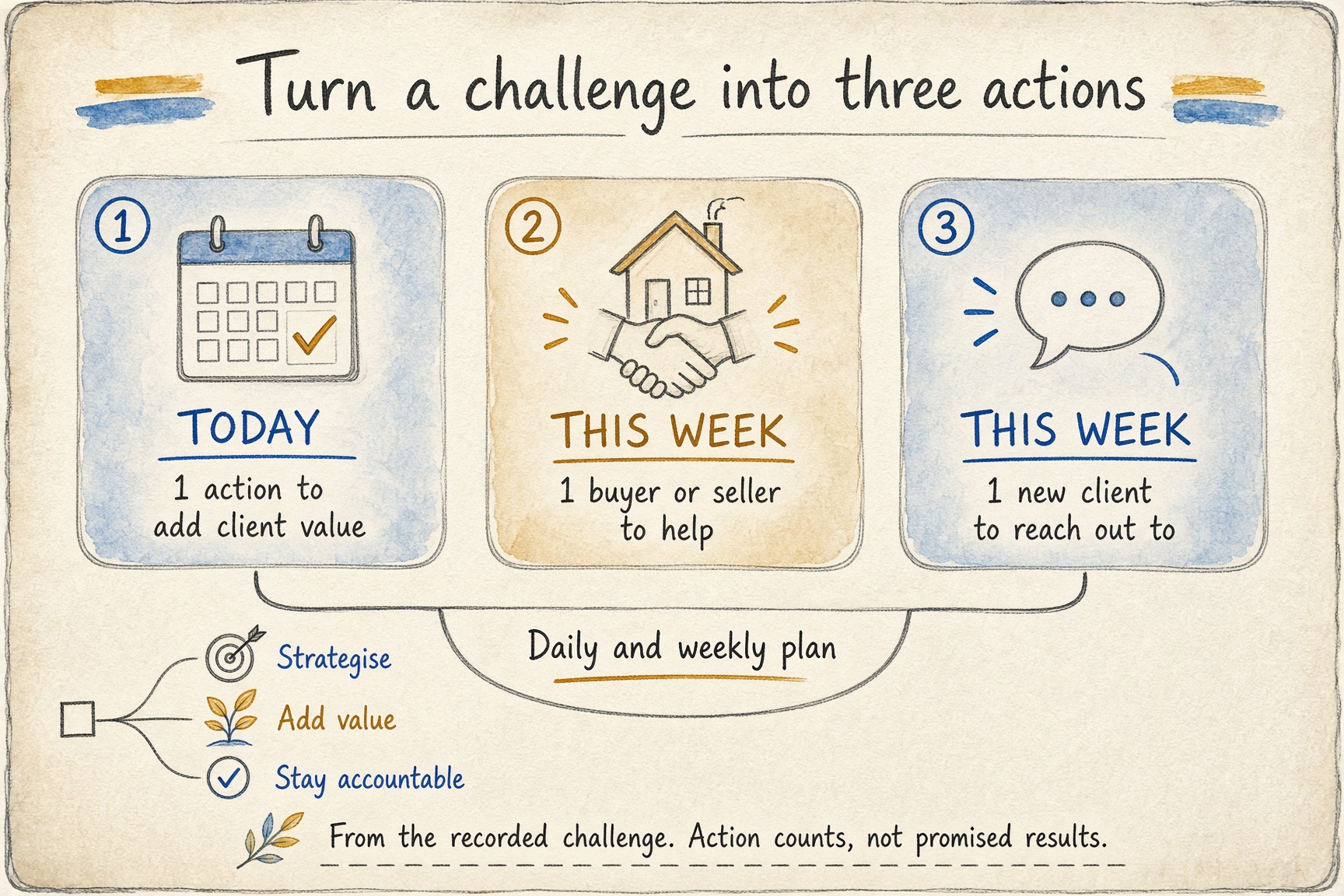
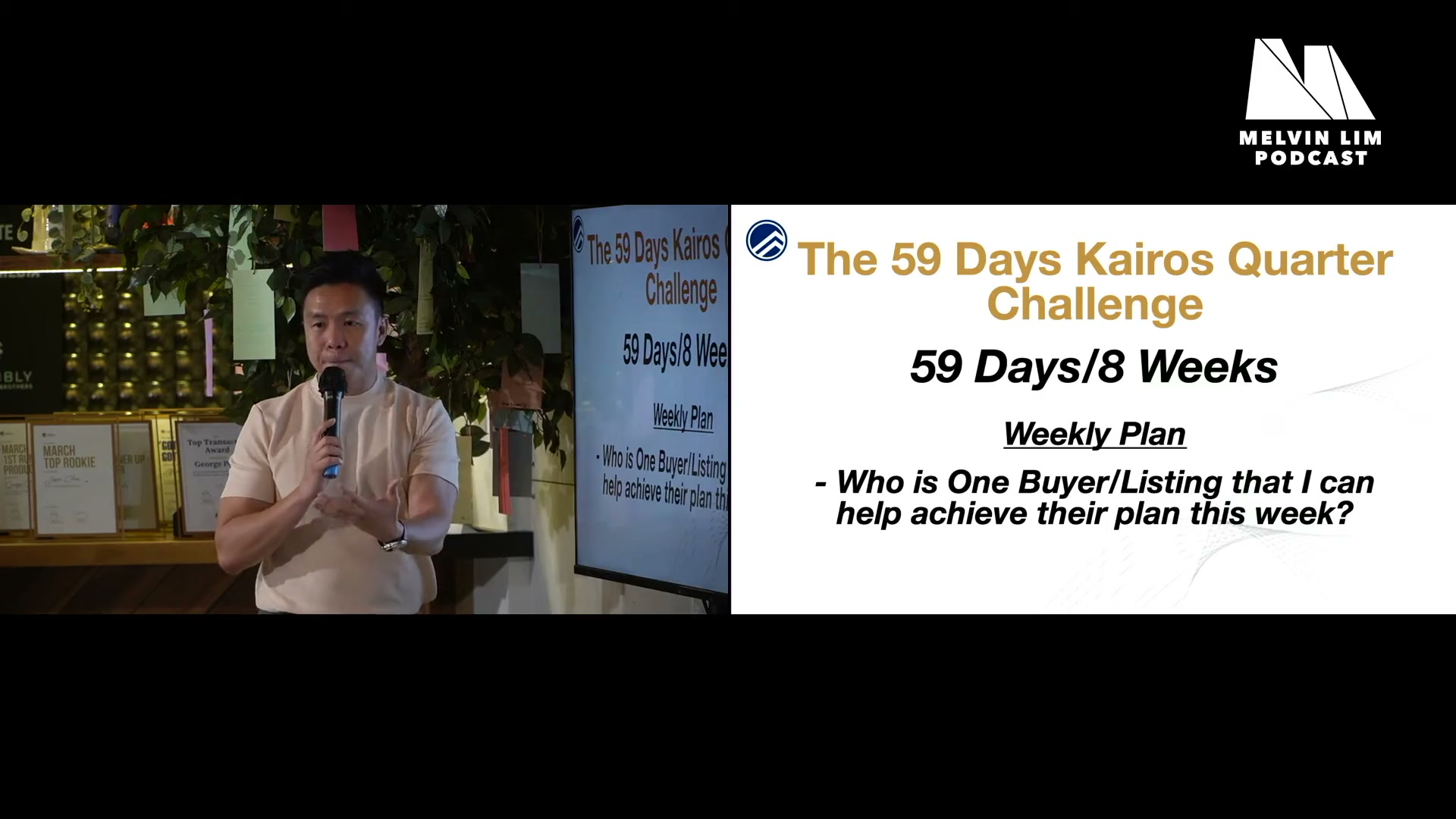
The next question was which new client you could reach out to that week. Be intentional throughout the challenge.
If you fall short, you still have the benefit of having pushed yourself.
Step 3. Add immense value.
Step 4. Prepare for obstacles.
Whether the challenge is physical or at work, there will be moments when you feel like giving up. Remind yourself that you chose it as a challenge to yourself.
Step 5. Stay with your community.
Your community can help keep you accountable.
I told the Rat Park story because I wanted the team to think about how much their surroundings matter. Picture rats in a bare cage and rats in a larger space with more to do.
In my telling, I pictured the larger space with things like mazes and a running wheel.
Editor’s research note. The talk describes the rats in the larger enclosure choosing plain water.
The published finding was a difference in how much of the solution the groups drank. In the 1979 study by Hadaway and colleagues, individually housed rats drank more of the morphine and sugar solution than rats housed in a colony when both groups could choose between water and the solution.
The study measured drinking behaviour in rats. Melvin uses the example as an analogy for choosing a supportive environment.
The lesson I took from the story was about our own choices. The community you spend time with can change how you behave.
Being with the right community and in the right environment is vital to our success together.
And being in the right community doesn't happen automatically. It happens because everybody chooses to make it that way.
Historical examples reflect the original recording.